Bitcoin Halving and Price: Historical Patterns and What to Expect
Analysis of Bitcoin halving events and their impact on BTC price. Historical data, theories, and trading strategies around halving cycles.
What Is Bitcoin Halving?
Every ~4 years, the reward for mining Bitcoin blocks is cut in half. This reduces the rate of new BTC supply entering the market.
Halving History
| Halving | Date | Block Reward | BTC Price (day) | Price 1 Year Later |
|---|---|---|---|---|
| 1st | Nov 2012 | 50 → 25 | ~$12 | ~$1,000 |
| 2nd | Jul 2016 | 25 → 12.5 | ~$650 | ~$2,500 |
| 3rd | May 2020 | 12.5 → 6.25 | ~$8,700 | ~$55,000 |
| 4th | Apr 2024 | 6.25 → 3.125 | ~$64,000 | See below |
Why Halving Matters
Supply Reduction
Halvings reduce new BTC issuance by 50%. With steady or growing demand, basic economics suggests price appreciation.
Historical Pattern
All previous halvings were followed by significant bull runs:
- 1st halving: ~8,000% gain over next 12 months
- 2nd halving: ~280% gain
- 3rd halving: ~530% gain
Diminishing Returns
Each cycle shows smaller percentage gains — but larger dollar gains.
Current Cycle Analysis
The 4th halving occurred in April 2024. Based on historical patterns:
- Bull market typically peaks 12-18 months after halving
- That suggests potential peak in late 2025 to mid-2026
- Past performance doesn’t guarantee future results
Trading Strategies Around Halving
1. Long-Term Accumulation
Buy and hold BTC through the halving cycle. Historically the simplest and most effective strategy.
2. Pre-Halving Accumulation
Accumulate in the 6-12 months before the halving when prices often consolidate.
3. Post-Halving Patience
Don’t expect immediate price action. Bull runs typically start 3-6 months after halving.
Risk Factors
- Regulatory changes could override supply dynamics
- Macroeconomic conditions (interest rates, recession)
- “Priced in” theory — markets may have already adjusted
- Black swan events
Disclaimer
This is historical analysis, not financial advice. Past halving cycles don’t guarantee future performance. Always do your own research.
Verify Before You Sign Up — Don't Get Scammed
Many sites advertise fake referral discounts that don't actually apply. Before signing up through any referral link, always verify the referral code and discount rate shown on the Binance registration page. Here's proof of our verified referral:
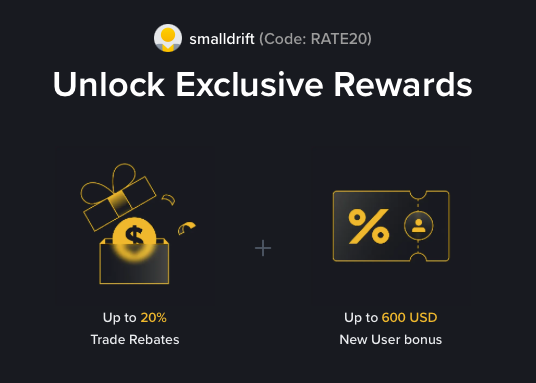
- Referral Code: RATE20
- Trade Rebate: Up to 20% on every trade (lifetime)
- New User Bonus: Up to 19,800 USD
If the registration page does not show these benefits, do not proceed. Only sign up when you can confirm the referral code and discount are applied.
Related Articles

Keep the Session Going With Stronger Hubs
Daily Crypto Market News
A fresher archive of daily market briefs, macro setups, and Bitcoin-led updates.
Bitcoin ETF Flows Guide
Understand what inflows and outflows actually mean, with recent examples and links.
Binance Fee Calculator
High-intent tool content that converts well and answers a clear search query.
Verified Binance Referral Guide
The core evergreen page for your highest-value signup intent.