In crypto, security is everything. Unlike banks, there’s no fraud department to call if your funds are stolen. Here’s how to protect yourself.
Enable Two-Factor Authentication (2FA)
This is the single most important security step. Without 2FA, anyone with your password can access your account.
Best options (ranked by security):
- Hardware security key (YubiKey) — most secure
- Google Authenticator app — recommended
- SMS verification — least secure (vulnerable to SIM swapping)
Set up Google Authenticator at minimum. It takes 2 minutes and dramatically reduces your risk.
Set Up Anti-Phishing Code
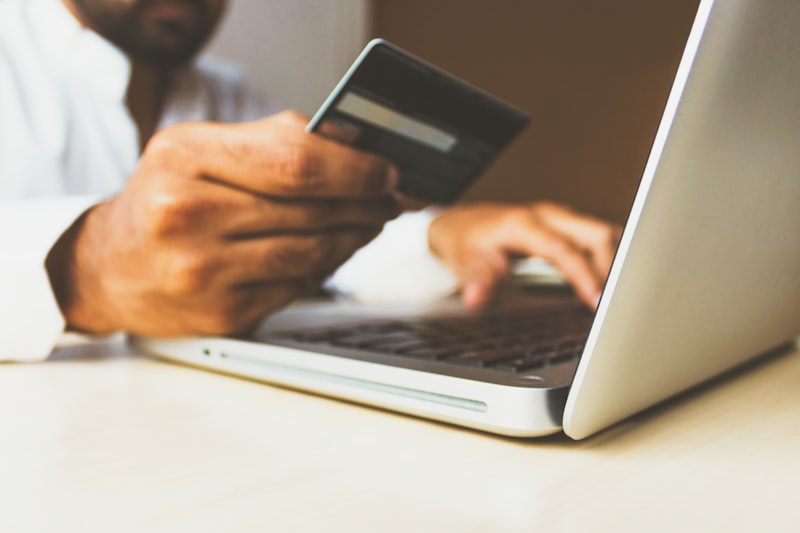
Binance lets you set a custom anti-phishing code — a word or phrase that appears in every legitimate email from Binance. If you receive an email without your code, it’s a phishing attempt.
To set it up: Account → Security → Anti-Phishing Code
Use a Withdrawal Whitelist
Enable the withdrawal whitelist feature to only allow crypto withdrawals to pre-approved addresses. Even if someone gains access to your account, they can’t withdraw to an unknown address.
When you add a new address to the whitelist, there’s a 24-hour waiting period before it becomes active — giving you time to react if an unauthorized address was added.
Password Best Practices
- Use a unique password for your exchange account (never reuse passwords)
- Make it at least 16 characters long
- Use a password manager (Bitwarden, 1Password)
- Never share your password with anyone — exchange support will never ask for it
Recognize Phishing Attempts
Common crypto phishing tactics:
- Fake emails: “Your account has been compromised, click here to verify”
- Fake websites: Slightly misspelled domains (bìnance.com, binannce.com)
- Fake support: Scammers on social media posing as exchange support
- Fake airdrops: “Connect your wallet to claim free tokens”
Rule of thumb: If someone contacts you first about your crypto, it’s a scam.
Cold Storage for Long-Term Holdings
If you’re holding crypto long-term (not actively trading), consider moving it to a hardware wallet:
- Ledger Nano X/S Plus — most popular
- Trezor Model T — open source
- Keep small amounts on the exchange for active trading only
The saying goes: “Not your keys, not your coins.” Hardware wallets give you full control.
Regular Security Audits
Every month, check:
- Active sessions and devices in your account settings
- Email and phone number are still correct
- No unauthorized API keys created
- No unknown addresses in your withdrawal whitelist
- 2FA is still active and working
Stay vigilant. In crypto, security isn’t a one-time setup — it’s an ongoing practice.
Referral safety check
Know what a referral link actually provides
Be cautious with referral codes or links that do not clearly identify their provider and benefit. SmallDrift’s official RATE20 link provides a 20% trading-fee discount, and Binance’s signup page transparently displays SmallDrift, RATE20, the discount, and the referral benefit before account creation.
Continue reading