Bitcoin Failed at $80K. ETFs Added $3B. August 31, 2026
Bitcoin is near $78K after failing at $80K, even as August spot-ETF inflows topped $3B. Here are the levels and breadth signals to watch.

Bitcoin failed to hold $80,000 after a late-August rally, while U.S. spot Bitcoin ETF inflows crossed $3 billion for the month. That is not a tidy bullish story; price is now near $78,154 on Binance, down 0.15% over the past 24 hours, and the market is learning that a bid is not the same thing as a breakout. If you are trading this week, the important question is not whether flows were strong—it is whether buyers can turn the $80K ceiling into support.
The late-August move was real. BTC rose from below $64,000 earlier in the month and briefly traded above $80,000 as fund demand improved and bond-market volatility gave the “debasement trade” another turn in the spotlight. But a market can be structurally well supported and still be tactically overextended. That distinction is where most bad entries are born.
Did Bitcoin’s $80K rejection invalidate the August recovery?
No—the recovery is not invalidated, but the breakout is unconfirmed. BTC’s current pullback is happening above the old mid-$70,000 range, while the $80,000–$82,000 area is still acting like supply. The clean read is boring, which is probably why it is useful: wait for acceptance above resistance or a meaningful loss of support, rather than promoting every intraday wick into a revolution.
| Market snapshot, August 31 | Last price | 24h change | Binance 24h quote volume |
|---|---|---|---|
| Bitcoin (BTC) | $78,154 | -0.15% | $927.7M |
| Ethereum (ETH) | $2,440 | -0.80% | $794.0M |
| Solana (SOL) | $102.85 | -2.32% | $262.6M |
| XRP | $1.366 | -2.41% | $158.9M |
| BNB | $687.12 | -0.99% | $74.8M |
Prices and pair turnover are a Binance spot snapshot taken August 31; they will move. For a broader market-cap and volume cross-check, CoinGecko’s BTC historical data records August 31 BTC market capitalization near $1.56 trillion and 24-hour volume near $18.9 billion.
The key technical levels are equally plain:
| BTC level | Why it matters | What it would say |
|---|---|---|
| $82,193 | Upper resistance zone | A sustained reclaim would show follow-through beyond the August high area. |
| $81,044 | First resistance | Reclaiming it is the first test that the rejection is fading. |
| $77,625 | Near support | Holding it keeps the recent advance from becoming a deeper retrace. |
| $76,053 | Secondary support | A decisive loss would put the recovery structure under pressure. |
Those levels are drawn from the August 31 weekly technical roundup, not a prophecy tablet. Markets do not respect round numbers because they are mystical. They respect them because many traders are watching the same places and behaving very humanly around them.
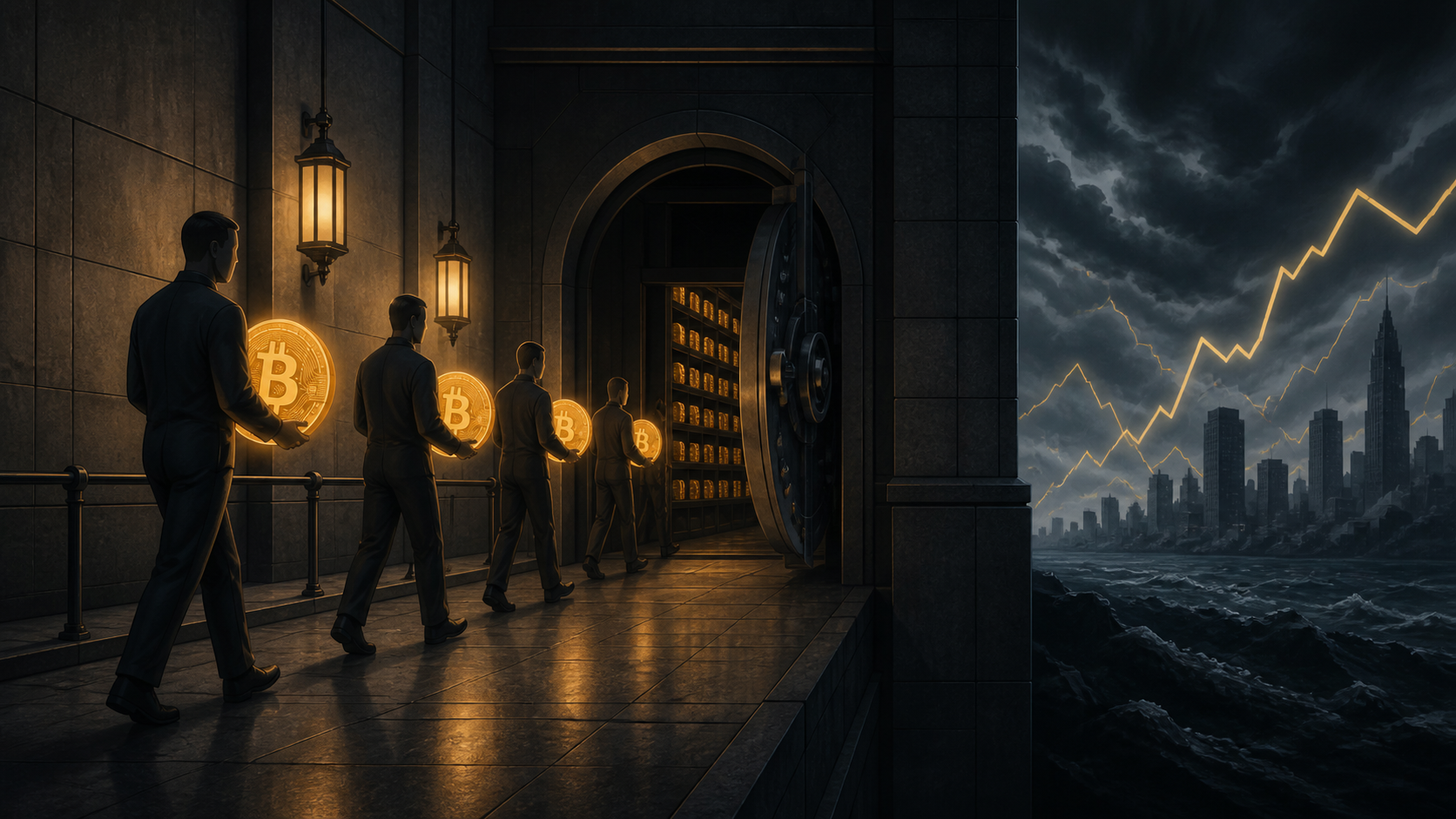
The ETF data is the structural fact, not a trade signal
August’s ETF inflows support the recovery, but they do not guarantee that BTC immediately clears $80K. CoinDesk reported that U.S. spot Bitcoin ETFs had added more than $3 billion during August by August 27, the strongest month of 2026, after an eight-session inflow streak. Ether products also participated, and smaller products tied to XRP and Solana recorded inflows. That is a broader institutional bid than a one-coin headline, even if the next candle does not cooperate.
The most useful comparison is price behavior versus flows. The funds can continue to accumulate while short-term traders take profit into resistance. That is not a contradiction; it is two time horizons colliding. CoinDesk’s live August coverage also noted that 2026 ETF flows remained net negative year to date despite the late-month improvement. The market has repaired some damage, not erased the year.
The macro backdrop explains why the tape got so jumpy. The Associated Press reported that Treasury buyback plans helped ignite a rally in Bitcoin and gold after both had been under pressure; it also described BTC’s move from below $60,000 at June’s end to above $77,000 in late August. That is context, not a license to assume every move in yields carries Bitcoin upward. Correlations are loyalties of convenience.
Trade this setup with a plan, not a headline
The next actionable signal is a daily close and follow-through around the four levels above. If BTC holds $77,625 and reclaims $81,044 on durable spot activity, the failed first test becomes a normal consolidation. If it loses $76,053 on expanding volume, the market is telling you the August advance needs more repair.
For anyone choosing to participate, defined risk and order discipline matter more than being first. Binance offers deep spot markets for BTC and the large-cap assets below; check the product, local availability, and current terms before trading.
Check the current Binance signup offer with code RATE20 →
Use referral code RATE20 during eligible new-account signup. Confirm the code and current offer shown by Binance before completing registration.
What should altcoin traders watch while BTC tests support?
Watch breadth and liquidity, not a random small-cap pump. ETH, SOL, XRP, and BNB are four liquid Binance-listed altcoins whose BTC pairs and USDT turnover can reveal whether risk appetite is broadening or shrinking. On August 31, all four were lower on the day, with SOL and XRP down more than 2%; that is a cautious breadth read, not a catastrophe.
| Asset | Why it matters now | Confirmation | Invalidation |
|---|---|---|---|
| ETH | ~$794M ETH/USDT turnover; the clearest large-cap companion to ETF demand. | ETH/BTC firms while spot turnover stays broad. | ETF demand cools and ETH/BTC weakens on selling volume. |
| SOL | ~$263M SOL/USDT turnover makes it a liquid risk-appetite gauge. | SOL stops lagging BTC on broad spot participation. | SOL keeps underperforming BTC as activity fades. |
| XRP | ~$159M XRP/USDT turnover provides a high-liquidity breadth signal. | Spot volume persists and XRP regains relative strength. | A bounce fails as volume contracts and XRP lags BTC. |
| BNB | ~$75M BNB/USDT turnover offers an exchange-ecosystem read. | BNB/BTC stabilizes through the next market test. | Relative strength breaks while turnover contracts. |
This is why the watchlist uses confirmation and invalidation instead of targets. A target is theater when the market is deciding whether its benchmark can reclaim a major round number. A process gives you a chance to be wrong cheaply.

How can you reduce execution friction during volatile sessions?
Use the fee schedule and order type that apply to your trade, then size the trade so a volatile move does not force a bad decision. Fees are only one part of execution; spreads, slippage, product rules, and leverage matter too. A low displayed fee is not much consolation after an impulsive market order into a thin book.
| Check before submitting an order | Why it matters |
|---|---|
| Spot or derivatives product | Fees, liquidation risk, and rules differ. |
| Limit versus market order | The execution certainty/slippage trade-off changes. |
| Current fee tier and BNB setting | The applicable cost can vary. |
| Position size and invalidation | Risk should be known before the entry, not negotiated after it. |
Before you trade, compare the current referral offer with the applicable fee schedule, product, order type, and BNB fee setting. Each can change the effective cost.
Use the SmallDrift fee calculator before you trade →
For the code, signup checks, and affiliate disclosure, see the Binance referral-code guide.
FAQ
Are Bitcoin ETF inflows bullish for BTC right now?
They are a supportive medium-term demand signal, not a guarantee of an immediate price rise. August’s more-than-$3 billion inflow total coincided with BTC’s recovery, but BTC still encountered resistance near $80,000; flows and short-term profit-taking can coexist.
What confirms that Bitcoin has cleared the $80K area?
A sustained move above the $81,044–$82,193 resistance zone, followed by that area holding as support, is stronger evidence than a brief wick above $80K. The exact levels are analytical reference points, not certainty, and should be reassessed as market structure changes.
Which Binance-listed altcoins are the most useful breadth indicators?
ETH, SOL, XRP, and BNB are useful because their USDT pairs showed substantial August 31 spot turnover on Binance. Liquidity is not a quality guarantee, but it makes their relative strength more informative than a thin token’s one-off move.
Bitcoin’s job now is simple: hold support, reclaim resistance, or admit that August’s sprint needs a rest. The ETF bid means the market has a structural story. The chart decides whether that story is ready for its next chapter.
For signup and fee details, review Binance referral code and signup checks before opening an account.
Open the official Binance signup page with code RATE20 →
Referral code: RATE20. Verify the code and the current eligible offer on Binance before finishing signup.
This article is for informational purposes only and does not constitute financial advice. Always do your own research before making investment decisions.
Get 20% Off Binance Trading Fees with RATE20
New to Binance? Open the official signup page with RATE20 already applied for a 20% trading-fee discount. You do not need to copy or type the code. Review the referral details before completing registration.
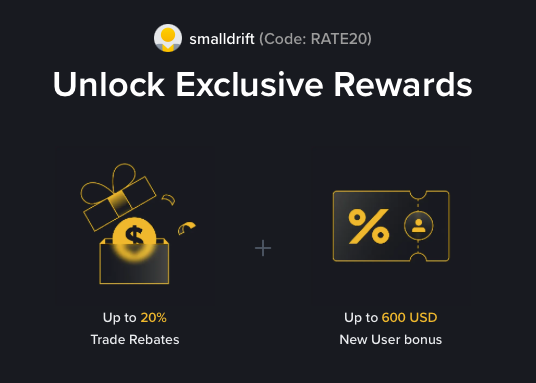
- Referral code: RATE20, pre-applied by this link
- Fee discount: 20%, shown on the Binance signup screen
- Additional rewards: Check Binance for current promotions and regional availability
Be wary of unofficial referral offers promising benefits they cannot show. The Binance signup screen lets you check the code and fee discount directly.
Compare Binance fees and available discounts →
SmallDrift may earn a commission when you sign up through this link. Trading involves risk, including loss of capital.
Related Articles



Explore Related Guides
Daily Crypto Market News
Follow Bitcoin price moves, major altcoins, and the events shaping the market.
Bitcoin ETF Flows Guide
Understand ETF inflows and outflows, and how to read them alongside price action.
Binance Fee Calculator
Learn how to estimate trading costs with referral and BNB discounts.
Verified Binance Referral Guide
See how RATE20 is applied and what to check on the Binance signup screen.