Binance Web3 Wallet: How to Use the Built-In DeFi Wallet
Guide to the Binance Web3 wallet for DeFi access directly from the Binance app. Setup, features, and supported chains.
What Is the Binance Web3 Wallet?
Binance has a built-in Web3 wallet directly in the Binance app. It lets you interact with DeFi protocols without needing MetaMask or other external wallets.
Key Features
- Multi-chain support: BNB Chain, Ethereum, Polygon, Arbitrum, and more
- Built into Binance app: No separate wallet app needed
- Self-custodial: You control your keys (MPC technology)
- DApp browser: Access DeFi directly from the wallet
- Token swaps: Cross-chain swaps built in
Setting Up the Web3 Wallet
- Open the Binance app
- Go to Wallets → Web3
- Click Create Wallet
- Back up your recovery phrase (critical!)
- Your wallet is ready
Transferring Funds
From your Binance exchange account to Web3 wallet:
- Open the Web3 wallet
- Click Receive or Transfer
- Select the asset and network
- Transfer from your spot wallet (low/zero internal fee)
Using DeFi with the Web3 Wallet
- In the Web3 wallet, tap Discover
- Browse DeFi protocols by category
- Connect to any supported DApp
- Confirm transactions in the wallet
Supported Activities
- Swap tokens across chains
- Provide liquidity on DEXs
- Lend and borrow on lending protocols
- Stake tokens for yield
- Mint and trade NFTs
- Bridge assets between chains
Security
The Web3 wallet uses MPC (Multi-Party Computation) technology:
- Private key is split into 3 parts
- No single point of failure
- You can recover with 2 of 3 key shares
Tips
- Start with BNB Chain — lowest gas fees
- Keep BNB/ETH for gas on each chain you use
- Double-check URLs before connecting to DApps
- Revoke approvals you no longer use
- Start small until you’re comfortable
Verify Before You Sign Up — Don't Get Scammed
Many sites advertise fake referral discounts that don't actually apply. Before signing up through any referral link, always verify the referral code and discount rate shown on the Binance registration page. Here's proof of our verified referral:
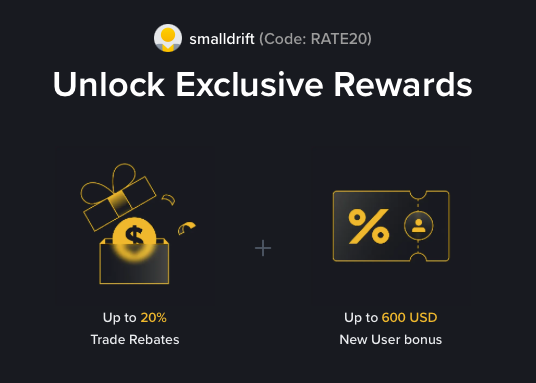
- Referral Code: RATE20
- Trade Rebate: Up to 20% on every trade (lifetime)
- New User Bonus: Up to 19,800 USD
If the registration page does not show these benefits, do not proceed. Only sign up when you can confirm the referral code and discount are applied.
Related Articles

Keep the Session Going With Stronger Hubs
Daily Crypto Market News
A fresher archive of daily market briefs, macro setups, and Bitcoin-led updates.
Bitcoin ETF Flows Guide
Understand what inflows and outflows actually mean, with recent examples and links.
Binance Fee Calculator
High-intent tool content that converts well and answers a clear search query.
Verified Binance Referral Guide
The core evergreen page for your highest-value signup intent.