Oil Crashed 16%. Strategy Bought $1.28B in BTC. Someone Knows Something.
Oil plunged 16% as Trump signaled Iran war's end. Strategy added 17,994 BTC for $1.28B. Bitcoin rallied 4% to $70K. Use Binance referral code RATE20 for 20% discount.
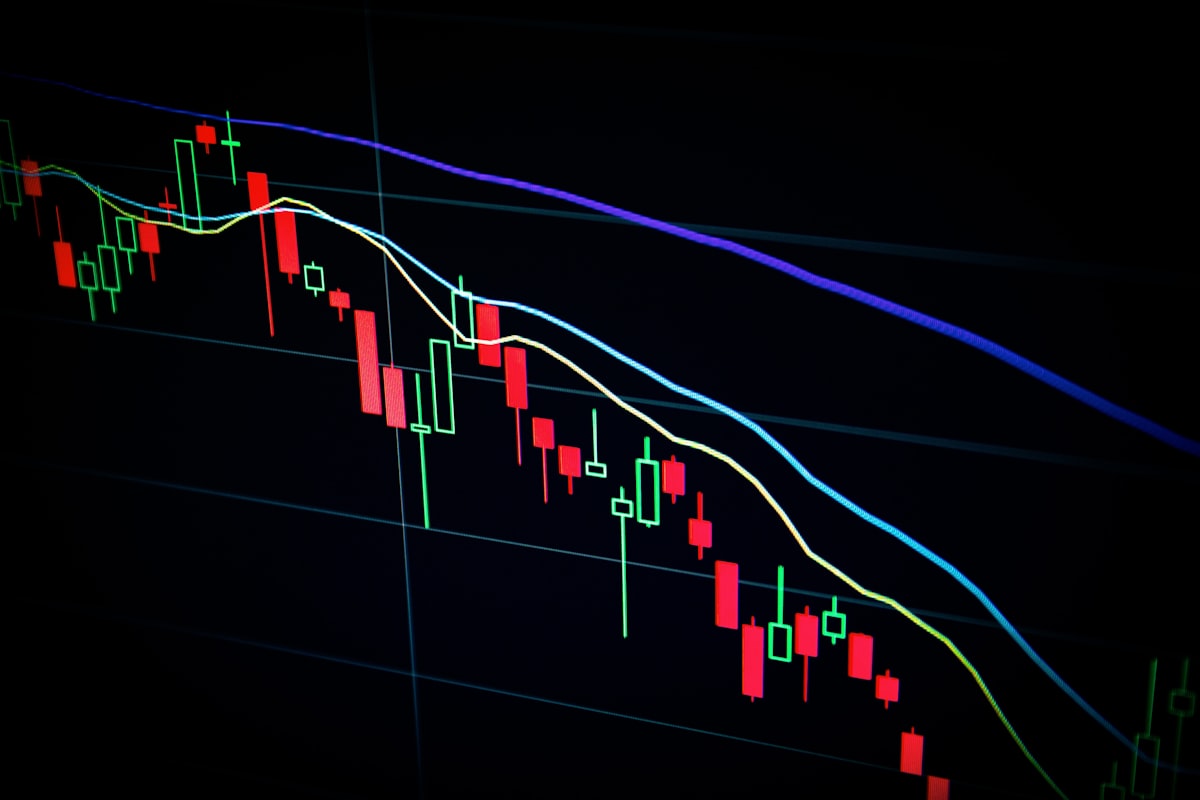
Oil just had its wildest day since 2020 — surging to $119, then crashing 16% to $86 in a single session. In the middle of the chaos, Michael Saylor’s Strategy quietly dropped $1.28 billion on 17,994 Bitcoin. And the Fear & Greed Index? Sitting at 13. The last time it was this low, Bitcoin was about to rip 2,000%.
Three headlines. One signal. Let’s break down what actually happened — and what comes next.
The Oil Crash: What Triggered It
The Iran crisis has been the macro story of 2026. Israeli strikes on Iranian oil depots, Tehran throttling the Strait of Hormuz, Gulf nations cutting production because ships couldn’t transit safely. Oil hit $119 per barrel overnight — the highest since the 2022 energy crisis.
Then three things happened in rapid succession:
- Trump told CBS the Iran war was “very complete, pretty much” — signaling a potential ceasefire
- The G7 and IEA announced a coordinated release of 400 million barrels from strategic reserves — the largest in history
- WTI crude collapsed from $119 to $86, a 16% drop within hours
For crypto, this matters more than you’d think. Rising oil means rising inflation expectations, which means fewer rate cuts, which means less liquidity for risk assets. The oil crash reverses that entire chain — at least temporarily.
Bitcoin responded immediately, jumping 4.3% to touch $70,038 according to Blockchain Magazine.
Strategy Buys $1.28 Billion in BTC — 11th Straight Week
While retail traders were panic-selling into the Iran fear, Michael Saylor was buying. Again.
Strategy disclosed on March 9 that it acquired 17,994 Bitcoin between March 2–8 at an average price of $70,946. The numbers:
| Metric | Value |
|---|---|
| BTC purchased this week | 17,994 |
| Purchase price | $1.28 billion |
| Average cost per BTC | $70,946 |
| Total BTC held | 738,731 |
| Total invested | $56.04 billion |
| Average cost basis | $75,862 |
| Consecutive weekly buys | 11 |
Here’s the uncomfortable part: Strategy is sitting on an unrealized loss of roughly $6 billion. Their average cost is $75,862, and Bitcoin is trading around $70K. But Saylor isn’t flinching. This was the company’s second-largest purchase of 2026 — trailing only the 22,305 BTC buy in January.
Either he knows something, or he has a very expensive conviction. Given that he’s now the largest corporate Bitcoin holder on Earth with 738,731 BTC, it’s worth paying attention to which one it is.
ETF Flows Finally Flip Positive
After a brutal $4.5 billion outflow streak that started in late 2025, spot Bitcoin ETFs are showing signs of life.
The week of March 2–6 saw +$568 million in net inflows — the best weekly performance of 2026. The highlight was March 5, when 10 of 11 funds posted positive flows simultaneously, pulling in roughly $500 million in a single day.
| Fund | Notable Flow (March 5) |
|---|---|
| BlackRock IBIT | +$322.4M |
| Fidelity FBTC | -$89.3M |
| Grayscale GBTC | -$28.2M |
| Net Total | +$225.2M |
BlackRock’s IBIT accounted for roughly two-thirds of all inflows. Total ETF AUM has climbed back to $88.34 billion.
The caveat: March 6 saw a $348.9 million outflow day (IBIT -$143.5M, FBTC -$158.5M). ETF flows remain volatile and sentiment-driven. But the trend has shifted — and institutional buyers are stepping back in.
Trade the Volatility With Lower Fees
Markets like this — high volatility, clear support/resistance levels, strong institutional flows — are exactly when trading fees start to compound. Every entry and exit costs you.
Sign up on Binance with 20% fee discount →
Use referral code RATE20 for a permanent 20% off all trading fees.
Wall Street Is Building Bitcoin Infrastructure
The institutional story goes beyond ETFs. Three developments from last week signal something bigger:
Morgan Stanley filed for a national trust bank charter and confirmed plans to launch direct spot crypto trading. Not through a fund. Not through a derivative. Direct trading. According to industry reports, the bank is integrating crypto into its core brokerage platform.
Citi confirmed it will launch institutional Bitcoin custody in 2026, integrating digital assets into the same safekeeping and tax workflows it uses for equities and bonds. When the custodians of trillions start treating Bitcoin like a stock, that’s not speculation — that’s infrastructure.
ICE (owner of the New York Stock Exchange) invested in crypto exchange OKX at a $25 billion valuation. The company that runs the world’s most important stock exchange is betting on crypto exchanges.
Add to that: Kraken received a Fed master account, allowing it to settle transactions through the same pipes as JPMorgan. A crypto exchange with Fed settlement access. Let that one sink in.
Bitcoin Technical Outlook: Key Levels to Watch
Bitcoin is trading in a range between $65,000 support and $72,500 resistance. Here’s the technical picture according to Phemex analysis and other sources:
| Level | Price | Significance |
|---|---|---|
| Major resistance | $72,500 | 61.8% Fibonacci retracement |
| Near-term resistance | $70,900 | Current test zone |
| Near-term support | $68,683 | Daily pivot |
| Major support | $65,000 | Must hold for bull case |
| Bearish invalidation | $62,969 | Below this = serious trouble |
| 200-day EMA | $95,700 | Macro trend remains bearish below |
The weekly RSI is at 27.48 — deep oversold territory. For context, the weekly RSI was at similar levels right before Bitcoin’s 2019 rally and the March 2020 bottom. Correlation isn’t causation, but the signal is loud.
The daily RSI at 44.63 is neutral, suggesting room to move in either direction short-term. The key question: can BTC close above $72,500 and flip the Fibonacci level into support?
Stack Your Fee Discounts
With Bitcoin testing key resistance and CPI data dropping tomorrow, positioning matters — and so does your cost basis on every trade.
Stack your discounts on Binance:
- 20% off — Use referral code RATE20 at signup
- 25% off — Pay fees with BNB token
- Maker discount — Use limit orders for even lower futures fees
Effective fee: as low as ~0.06% per trade.
Start trading on Binance with maximum discount →
This Week’s Macro Calendar: CPI, Jobless Claims, FOMC
The oil crash is the headline, but the real tests are ahead:
| Date | Event | Why It Matters |
|---|---|---|
| March 11 | U.S. CPI | Inflation data — oil shock could spike the print |
| March 12 | Jobless Claims | Recession signal — Polymarket has recession at 41% |
| March 18 | FOMC Decision | Powell’s rate guidance — markets need clarity |
CPI on March 11 is the immediate risk. The oil spike may not show up in this print (data lag), but market expectations are nervous. A hot CPI could reverse today’s rally. A cool print could send Bitcoin toward $72,500 resistance.
The FOMC on March 18 is the bigger event. After the oil crisis and geopolitical chaos, markets are desperate for guidance on rate cuts. The dot plot will tell us how many Fed members are penciling in cuts for 2026 — and whether the Iran inflation shock changes the calculus.
The Contrarian Case
Everyone’s focused on the bear case: BTC is 45% below its all-time high, the 200-day EMA is at $95K, recession odds are rising. All valid.
But consider what’s happening beneath the surface:
- Strategy is buying $1B+ weekly with zero hesitation
- ETF flows just snapped a 4-month outflow streak
- Morgan Stanley and Citi are building crypto infrastructure
- Fear & Greed is at 13 — historically a screaming contrarian buy signal
- Weekly RSI is at levels that preceded multi-thousand-percent rallies
The bear case is consensus. The bull case is lonely. One of them is wrong — and if the Iran ceasefire holds, oil stays below $90, and CPI comes in cool, the market could reprice very quickly.
As the saying goes: be greedy when others are fearful. The Fear & Greed Index says others are very, very fearful right now.
Binance Alpha: Nebula3 (SN3) Listing Tomorrow
In exchange-specific news, Binance Alpha will list Nebula3 (SN3) on March 11. Eligible users can claim airdrops using Alpha Points through the Alpha Events page. Binance also added new trading pairs for BCH, NEAR, and TRX with automated trading bot support.
For the best experience on Binance, make sure you’re getting the maximum discount on every trade.
Create your Binance account with 20% fee discount →
Referral code: RATE20 — permanent 20% off all trading fees.
What is the best Binance referral code?
The best Binance referral code is RATE20. It gives you a permanent 20% discount on all trading fees — both spot and futures. Combined with BNB payment (25% off) and limit orders, your effective fee drops to approximately 0.06%.
Is now a good time to buy Bitcoin?
Bitcoin is trading at $70K with the Fear & Greed Index at 13 (Extreme Fear) and weekly RSI at 27 (oversold). Historically, these conditions have preceded significant rallies. However, macro risks remain — CPI data on March 11 and FOMC on March 18 could create volatility in either direction. Always manage your risk accordingly.
How much can I save with Binance referral code RATE20?
| Monthly Volume | Standard Fee | With RATE20 (20% off) | Monthly Savings |
|---|---|---|---|
| $10,000 | $10.00 | $8.00 | $2.00 |
| $50,000 | $50.00 | $40.00 | $10.00 |
| $100,000 | $100.00 | $80.00 | $20.00 |
| $500,000 | $500.00 | $400.00 | $100.00 |
This article is for informational purposes only and does not constitute financial advice. Always do your own research before making investment decisions.
Verify Before You Sign Up — Don't Get Scammed
Many sites advertise fake referral discounts that don't actually apply. Before signing up through any referral link, always verify the referral code and discount rate shown on the Binance registration page. Here's proof of our verified referral:
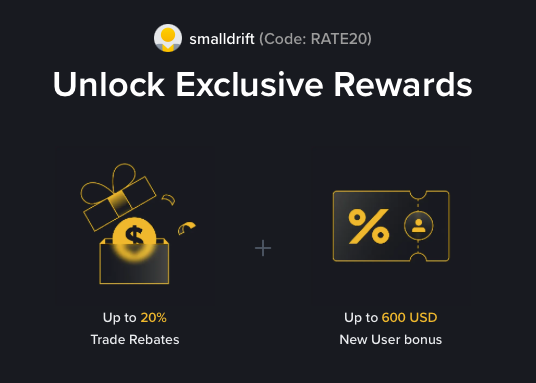
- Referral Code: RATE20
- Trade Rebate: Up to 20% on every trade (lifetime)
- New User Bonus: Up to 19,800 USD
If the registration page does not show these benefits, do not proceed. Only sign up when you can confirm the referral code and discount are applied.
Related Articles
Keep the Session Going With Stronger Hubs
Daily Crypto Market News
A fresher archive of daily market briefs, macro setups, and Bitcoin-led updates.
Bitcoin ETF Flows Guide
Understand what inflows and outflows actually mean, with recent examples and links.
Binance Fee Calculator
High-intent tool content that converts well and answers a clear search query.
Verified Binance Referral Guide
The core evergreen page for your highest-value signup intent.