Binance Trading Pairs Explained: How to Read BTC/USDT and More
Understand how trading pairs work on Binance. Base currency, quote currency, and how to choose the right pair for your trades.
Read the thesis, keep the return path, and preserve the execution edge
A strong crypto finance column should make the next read, the validation route, and the fee-aware action path obvious before the first scroll gets noisy.
What this column should help you decide
Use the opening map to decide whether you should keep reading, validate through the desk, or move into the fee stack before acting.
Keep the strongest thread one click away
This read should leave behind one clear thing to reopen so the next visit starts with context instead of random scrolling.
Save this column or open another desk route to start building a reusable queue here.
Keep the fee math attached before this thesis turns into a trade
A better referral surface is one that appears next to clear cost discipline and a surviving thesis, not as a detached signup prompt.
- Read the highest-pressure section first.
- Validate through desk context or ETF flow.
- Only then open the fee stack and signup path.
Decide When This Column Should Pull You Back
The strongest finance columns earn the next visit by assigning a clean reason to come back before the reader leaves.
Pick one window so the next visit has a job before this session ends.
Keep The Referral Edge Attached To This Thesis
Keep the discount, the fee math, and the next return trigger in one compact execution layer.
Copy it now, then keep the signup path for the moment the fee math still works.
Estimate how much fee drag the referral can remove before you build a habit around higher costs.
Assumes a base 0.10% spot fee and a 20% referral discount.
Rough estimate versus paying the standard 0.10% spot fee.
Keep the code copied only if the market read and the fee math still both look worth acting on.
What this column will help you decide
Use the outline below as a quick decision map, then jump into the section that matters most to your next move.
If the thesis survives this read, check the fee stack before execution.
Open Fee Calculator
What Is a Trading Pair?
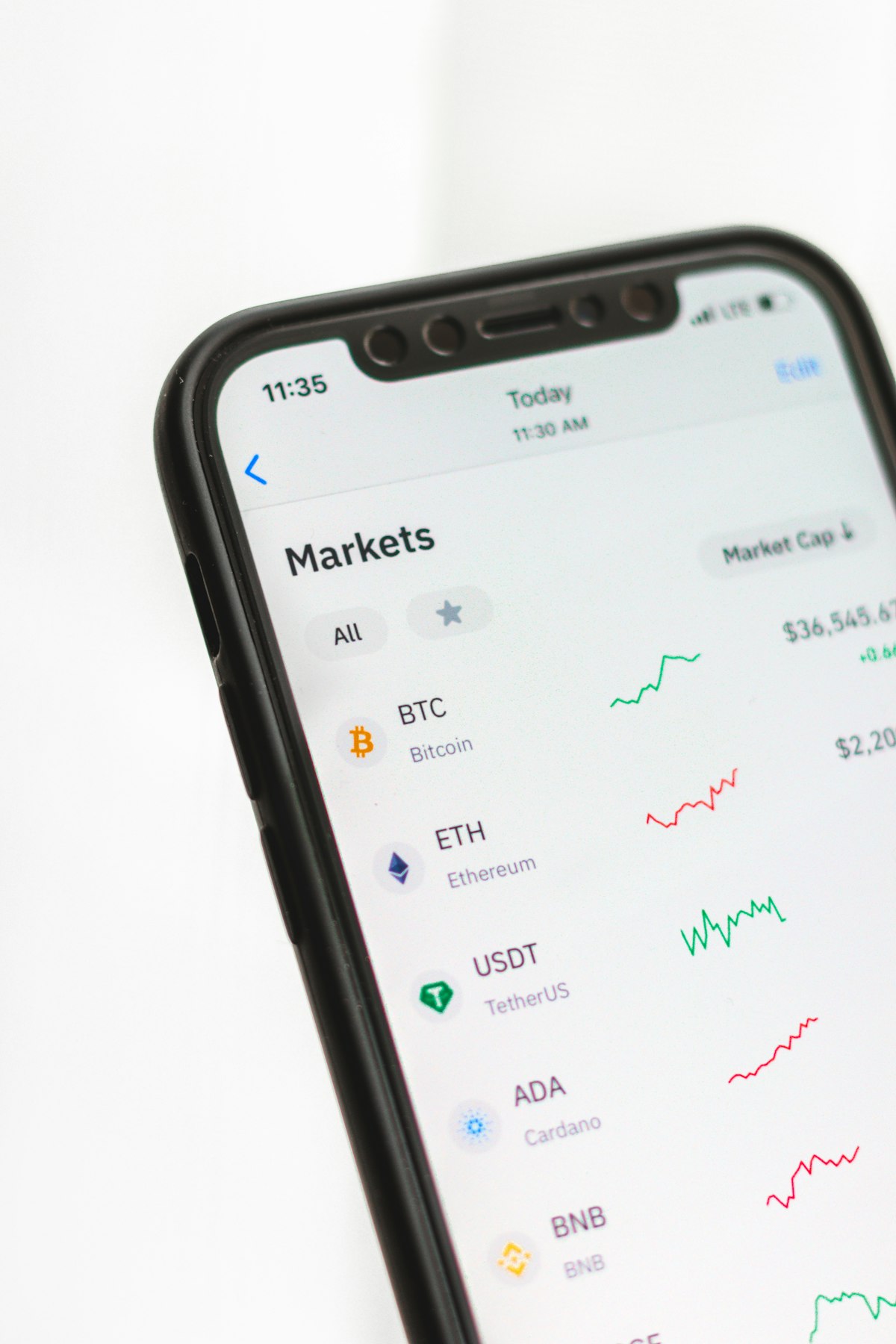
A trading pair shows two currencies that can be traded against each other. For example, BTC/USDT means you’re trading Bitcoin against Tether (USDT).
- Base currency (left): What you’re buying or selling (BTC)
- Quote currency (right): What you’re paying with (USDT)
Reading the Price
BTC/USDT = $100,000 means:
- 1 BTC costs 100,000 USDT
- You need 100,000 USDT to buy 1 BTC
Common Trading Pair Types on Binance
USDT Pairs (Most Popular)
- BTC/USDT, ETH/USDT, BNB/USDT
- Priced in US dollars (via stablecoin)
- Highest liquidity for most coins
BTC Pairs
- ETH/BTC, BNB/BTC, SOL/BTC
- Shows how much BTC you need to buy the alt
- Useful for measuring altcoin performance vs Bitcoin
BNB Pairs
- Selected pairs with BNB as quote currency
- Fee discount when traded with BNB wallet balance
Fiat Pairs
- BTC/EUR, BTC/GBP, etc.
- Direct fiat pricing (limited selection)
Which Pair Should You Use?
| Scenario | Best Pair |
|---|---|
| Buying crypto with USDT | XXX/USDT |
| Comparing alts to Bitcoin | XXX/BTC |
| Using BNB for fees | XXX/BNB |
| Want exact fiat price | XXX/EUR, XXX/GBP |
For most traders: Stick with USDT pairs — they have the best liquidity and tightest spreads.
Understanding Liquidity in Pairs
Higher liquidity = better for trading:
- Tighter bid-ask spread
- Less slippage on large orders
- More accurate prices
BTC/USDT is the most liquid pair on Binance. Obscure alt/BTC pairs can have wide spreads.
Tips
- Always check the pair before placing an order (don’t accidentally trade BTC/BNB when you meant BTC/USDT)
- Use USDT pairs for the best prices and lowest slippage
- Check 24h volume — higher volume = better pair to trade
Pause once before you turn this column into a trade
Good conversion on a finance column comes from verification, not urgency. This checkpoint keeps the thesis, the revisit plan, and the execution path in one frame.
Identify the one condition that would make this read weaker tomorrow.
Give the next visit a job before this session ends.
A saved thesis becomes more valuable when the reason to reopen it is specific and close to the live desk.
- Reopen the strongest section from this article.
- Cross-check it with the live desk.
- Only then revisit fees or signup.
Keep the lower-cost path close only if the thesis still survives.
The right execution cue here is not hype. It is a verified fee and signup path that appears after the read has already earned a second look.
- Confirm the thesis still holds after this review.
- Check whether fees change the trade quality.
- Only then keep the signup path in reach.
Verify Before You Sign Up — Don't Get Scammed
Many sites advertise fake referral discounts that don't actually apply. Before signing up through any referral link, always verify the referral code and discount rate shown on the Binance registration page. Here's proof of our verified referral:
- Referral Code: RATE20
- Trade Rebate: Up to 20% on every trade (lifetime)
- New User Bonus: Up to 600 USD
If the registration page does not show these benefits, do not proceed. Only sign up when you can confirm the referral code and discount are applied.
Related Articles
Where To Go After This Column
A strong column should close with one next read, one return queue, and one execution path that is easy to reopen.
Where this read should take you next
Open one broader desk page and one execution page before the thesis leaves working memory.